
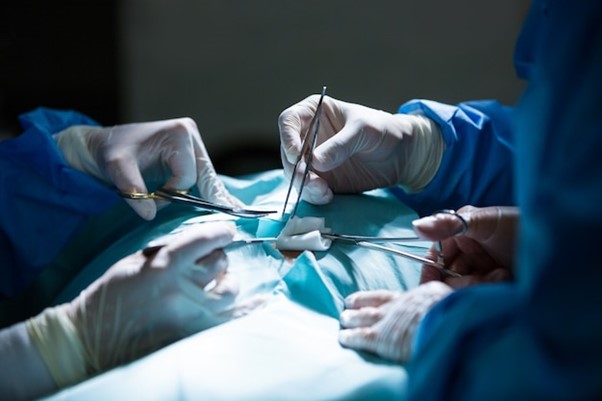
Imagine a world where robotic hernia surgery offers a safer and more efficient surgical option for hernia repair.
This advanced technology is not science fiction; it’s transforming how hernias are treated today. But why is this shift significant for patients and healthcare providers? Simply put, robotic surgery can make operations faster and recovery smoother. It provides precision and control, which can lead to better results and fewer complications.
The Basics of Robotic Hernia Surgery
Robotic hernia surgery involves advanced technology to assist surgeons in performing operations. What makes it different from other methods? Traditional surgeries are performed by hand, while robotic hernia surgery procedures involve using robotic arms controlled by a surgeon. This means the surgeon doesn’t directly touch the patient but manages the operation from a console, which can lead to more precise movements.
Comparing Different Methods:
- Robotic vs. Traditional Surgery: Traditional methods rely solely on the surgeon’s skill with basic tools. In contrast, the robotic method enhances the surgeon’s ability with robotic tools.
- Robotic vs. Laparoscopic: Laparoscopic surgery uses small incisions and specialized tools, while robotic surgery offers 3D views, giving the surgeon greater visibility.
Robotic systems are like a high-tech toolkit, including a 3D camera and mechanical arms that mimic human wrist movements but with more control.
Benefits of Robotic Hernia Surgery
What makes robotic hernia surgery benefits stand out? Here are a few key points:
- Higher Precision: Robots allow surgeons to cut and stitch with precise movements.
- 3D Visualization: Surgeons see a real-depth view, which improves accuracy.
- Smaller Incisions: Recovery is often faster, with less pain and scarring.
These benefits mean patients can get back on their feet quicker, with less discomfort.
Expanding the Scope: Hernias that Benefit from Robotics
Different hernias can be tricky to manage, but robotic hernia surgery is expanding possibilities. Types like inguinal, ventral, and incisional hernias can benefit greatly. Complex and recurring hernias are particularly challenging, yet robotic assistance offers solutions. The technology provides the accuracy needed for difficult cases, improving the chances of successful repair.
Patient Journey through Robotic Hernia Surgery
Preparing for robotic hernia surgery recovery involves understanding what to expect. The surgeon will guide you through the steps beforehand, ensuring you know how the operation will be. On the day of surgery, you’ll be ready since you’ve been prepped about the process.
Post-surgery involves robotic hernia surgery post-op care, which includes: – Following Precautions: Avoid strenuous activity to promote healing. – Regular Check-Ups: Attend follow-up visits to ensure recovery is on track. – Manage Pain: Use prescribed medicine to ease discomfort as guided by your doctor.
This journey is easier with clear instructions and community support.
Navigating the Challenges of Robotic Surgery
Every technology comes with its hurdles. For robotic hernia surgery, learning how to use the systems is vital for new surgeons. Economic aspects are also notable, as the technology comes at a cost that facilities must manage.
Moreover, while robotics are advancing, there are still cases where traditional methods might be better. Knowing these limitations ensures the best approach for each patient.
The Future Trajectory of Robotic Hernia Surgery
The future of robotic hernia surgery is brighter, with continued research leading the way. As new discoveries emerge, possibilities expand even further. Integrating artificial intelligence could make the procedures smarter. Eventually, we might see operations conducted remotely, further breaking geographical barriers and providing widespread access.
Broader Impact on the Healthcare System
Robotic technology is redefining how surgeries are approached. Young surgeons are being trained with these innovative tools, preparing them for a tech-focused future. As robotic hernia surgery becomes more common, patient results improve, offering quicker recoveries and fewer complications, promoting a more efficient healthcare system.
Conclusion: Embracing Robotic Surgery Innovations
The advances in robotic hernia surgery highlight the significant benefits and future advancements poised to revolutionize surgical treatment. Patients should engage in informed discussions with their doctors to understand the best options available. Embracing this technology could lead to a new era of surgical care, with enhanced precision and better outcomes for all.