
Understanding hernias is crucial before diving into solutions. An inguinal hernia happens when tissue like the intestine pushes through a weakened spot in the abdominal muscles. You might feel a bulge in your groin or scrotum, which can be painful or tender, especially when you bend over or lift something heavy. Surgery is a common fix for it. Among the surgical options, laparoscopic surgery is gaining popularity. This minimally invasive procedure can be a game-changer for many. But is it the right choice for you? Let’s explore further.
Understanding Laparoscopic Inguinal Hernia Surgery: Procedure & Comparisons
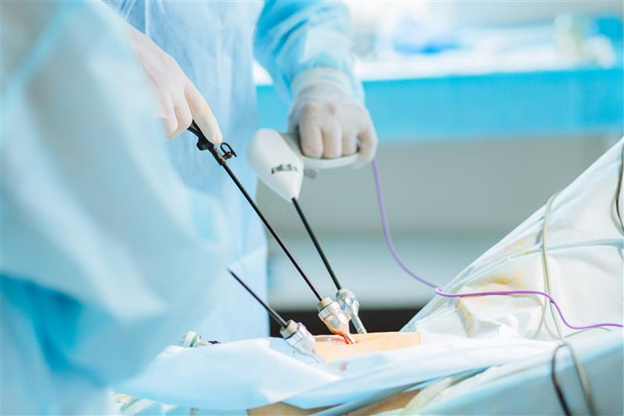
Laparoscopic inguinal hernia surgery is a less invasive way to fix hernias. What does it involve? During the procedure, one or more small cuts are made in the abdomen. A thin tube with a camera, called a laparoscope, is inserted. This allows surgeons to view the inside of the abdomen and repair the hernia using tiny instruments.
This method is quite different from the traditional open surgery. In open surgery, one larger incision is made to access and fix the hernia. So, how does laparoscopic surgery stack up? Here are some key points:
- Less Pain: Smaller cuts mean less pain after surgery.
- Fewer Scars: The smaller the cut, the less likely you are to have noticeable scarring.
- Faster Recovery: Generally, patients recover and return to activities faster than with open surgery.
- Bilateral Repairs: This technique makes it easier if both sides of the groin are involved.
Benefits: Why Opt for Laparoscopic Inguinal Hernia Surgery?
Choosing the right type of surgery is essential, and laparoscopic inguinal hernia surgery offers several benefits.
- Reduced Postoperative Discomfort and Pain: Because this surgery uses smaller cuts, patients typically report less pain afterwards.
- Quicker Recovery: You’ll likely be back to your daily life sooner. Many find they can resume activities moderately faster.
- Smaller Surgical Incisions: Smaller cuts not only mean less pain but also reduce the chance of prominent scars.
- Simultaneous Treatment of Bilateral Hernias: If you have hernias on both sides, this surgery handles both without needing separate procedures, a huge time-saver!
These benefits make laparoscopic inguinal hernia surgery appealing. But like any medical treatment, it’s essential to weigh these positives against potential risks.
Risks and Complications: What You Need to Know
Every surgery, including laparoscopic inguinal hernia surgery, comes with risks. One of the primary concerns is the general anesthesia required for the procedure. Anesthesia can introduce risks like allergic reactions or complications in those with other health issues.
There are also rare risks specific to the surgery itself. For instance, issues with the mesh used in some repairs can occur, although uncommon. While complications like infection or bleeding are rare, they remain possible. It’s key to discuss all potential risks with your doctor to feel prepared and informed.
Determining Suitability: Who Should Consider Laparoscopic Repair?
Not everyone is a candidate for laparoscopic inguinal hernia surgery. Ideal candidates are generally those in good overall health. They should also not have any confounding health issues that might complicate surgery.
However, if the hernia is very large, or if you’ve had multiple past abdominal surgeries, traditional surgery might be a better option. It’s vital to have an open conversation with your healthcare provider to determine the best approach based on your health and specific situation.
The Recovery Journey: What to Expect After Surgery
Understanding what life looks like post-surgery helps in mentally preparing for the healing process. The laparoscopic inguinal hernia surgery recovery time varies per individual.
- Hospital Stay: Many people go home the same day or after an overnight stay.
- Home Recovery: Initially, you’ll need to rest, gradually increasing activities as advised by your physician.
- Postoperative Care: Keeping the incision area clean is vital. Avoid heavy lifting and strenuous activities till your doctor gives the green light.
- Typical Recovery Timeline: Within a week, many can return to light activities. Full recovery might take several weeks, so listening to your body is crucial.
With dedication to recovery recommendations, you’ll find the healing process smoother and more manageable.
Making an Informed Decision: Key Considerations
When deciding on whether to pursue laparoscopic inguinal hernia surgery, consider factors beyond just the procedure. Reflect on your personal health and medical history. Do you have any conditions that might influence anesthesia safety or surgical recovery?
The hernia’s specifics, such as its size and location, also play a role. It’s wise to consider the surgeon’s expertise as well. Choose someone experienced in this type of surgery for peace of mind.
Lastly, your personal preferences are crucial. Discuss your priorities and concerns with your surgeon to ensure a tailored approach that suits your needs.
Preparing for Surgery: Steps to Follow
Preparation is key to successful surgery. Start with necessary pre-surgery tests like blood work or imaging to ensure your body is ready.
- Lifestyle Adjustments: Consider making changes like stopping smoking or altering medication habits pre-surgery.
- Day of Surgery: On surgery day, follow your doctor’s instructions closely, such as fasting or wearing comfortable clothing.
Being mentally prepared and informed about what will happen on the day of the procedure can ease nerves and set a smooth tone for the surgery.
Exploring Alternatives: Other Treatment Options
Sometimes, surgery might not be the only solution. For symptomless hernias, a watch-and-wait approach could be suitable. Discuss comparative outcomes of open surgery versus laparoscopic. In some cases, non-surgical methods might offer temporary relief or be combined with other treatments.
Conclusion: Weighing Your Options and Moving Forward
Choosing whether to embark on laparoscopic inguinal hernia surgery is significant. Weigh the surgery’s many benefits against the possible risks. Remember, professional medical advice is invaluable. Open discussions with your doctor will ensure you make an informed choice that aligns with your health needs and personal preferences. Take your time, ask questions, and be confident in your path.